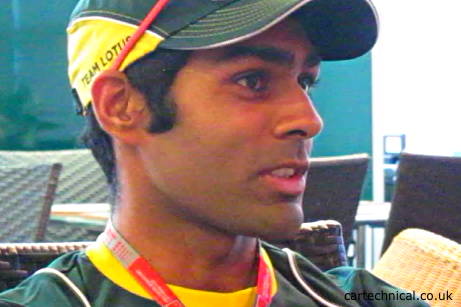
 Interview: Team Lotus reserve Karun Chandhok on the modern technical era of F1.
Team Lotus reserve driver Karun Chandhok clearly relishes the technical challenge of modern Formula 1, spending more time than many drivers working with his engineers."I'm a bit more obsessive than most," he says. "I'll be the first one there in the morning, one of the last ones out at night."
Chandok, 27, says all the F1 teams focus on aerodynamic efficiency. "We live in an aero era of F1. The 1980s were the turbo era, the ’90s was the electronics era, with ABS and traction control, then you went into the tyre war between Bridgestone and Michelin, but from the late ’90s we've very much gone into the aero era. Downforce is king."
Though the efficiency of the aerodynamic package is important, because excess drag hurts ultimate straight line speed, focussing on downforce has key performance benefits. "Downforce dictates a lot of things. If you get more downforce you can put more energy into the tyres, and the tyres work better, " says Chandhok. Because extra load on the tyre generates more grip, meaning the tyres slide or spin less easily, it's also easier for the driver to maximise tyre life.
But the F1 driver's task involves more than just driving the car. "The work load in the cockpit is colossal," says Chandhok, citing the range of technical settings which are now adjustable from inside the car. "You have diff, you have engine braking, you have fuel mixture," he says. "You've got enough going on." Chandhok approaches the complex task of optimising the settings by beginning with default settings for the diff and engine braking, produced by a performance engineer, then reviewing the settings after FP1, the first practice session. But in the race the choice is down to the driver, reacting to advice from his race engineer over the radio.
KERS adds a whole extra level of complication to the driver's task. "KERS is very complicated," says Chandhok. "You need to charge when you brake, so you have to watch the charge – all that's on the dashboard display. You watch the discharge because you have a specific target – maybe 46% on one straight, 74% on the next. Are you watching the road or are you watching the steering wheel?"
Chandhok clearly isn't a fan of KERS, arguing that if everyone has the same 80bhp boost it makes no difference to the racing. "For something that's not benefiting the race, the workload in the cockpit is sometimes too much," he suggests. Though Team Lotus doesn't use KERS – yet – it does have a movable rear wing, operated off the hydraulic system which also runs the car's throttles and gearshift and allowable under the DRS (Drag Reduction System) rules introduced this season. Chandhok's a much bigger fan of the moving wing, which is intended to make overtaking easier and seems to be working. But Chandhok is adamant that DRS needs to be carefully regulated. "Overtaking shouldn't be too easy," he says, "or it becomes fake F1."
 Crossover concept for Shanghai show in '100% designed in China'
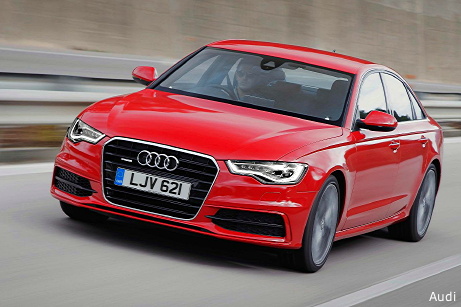 Audi says its advanced new A6 is the clear tech leader in its class.
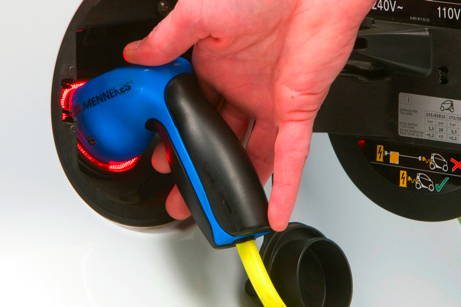 Deadline missed for car makers to agree a standard for electric vehicle recharging plugs
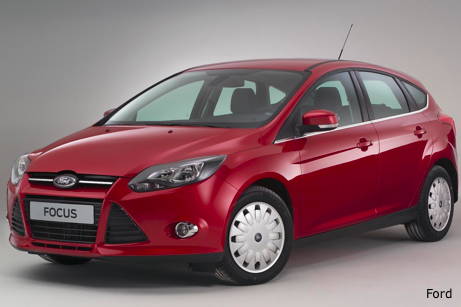 Focus Econetic is expected to return up to 80mpg and CO2 emissions under 95g/km