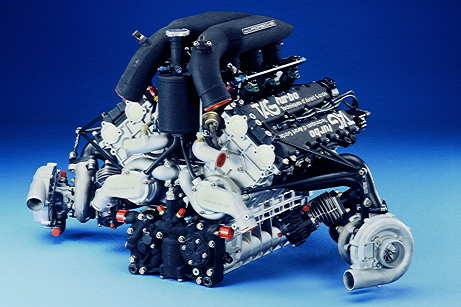
Formula 1 is set to head back to the future in 2014 with the adoption of turbocharged V6 engines - last seen in the sport in 1988.
Plans for four-cylinder, 1.6-litre turbo engines to replace current 2.4-litre normally aspirated V8s have been dropped after Ferrari objected, apparently on the grounds the four-cylinder engines had no relevance to their road cars. Other teams voiced concerns about the cost of developing the new engines.
Adoption of the new engine regulations has also been delayed for a year, and will now come into effect in 2014.
The new engines will be limited to 12,000rpm and will have single turbochargers, though there are plans for compound turbos to be introduced in later years. Fuel restrictions are expected to lead to increases in fuel efficiency of about one third. Energy recovery systems will continue.
The changes have been agreed by the F1 Commission, which includes representatives of the teams, the FIA and commercial rights holder Bernie Ecclestone. They will now be ratified by fax vote of the World Motor Sports Council, which is expected to be a formality.
Turbocharged 1.5-litre engines were introduced to F1 in 1977 and came to dominate the sport in the 1980s. At that time there was competition between V6s (Renault, Ferrari, Ford, TAG-Porsche, Honda) and in-line fours (BMW, Hart). The last turbo season was in 1988, when the Honda V6-engined McLarens won all but one race.